
Zakota Shade: Looking Towards The Future
By Savignon Swimmer
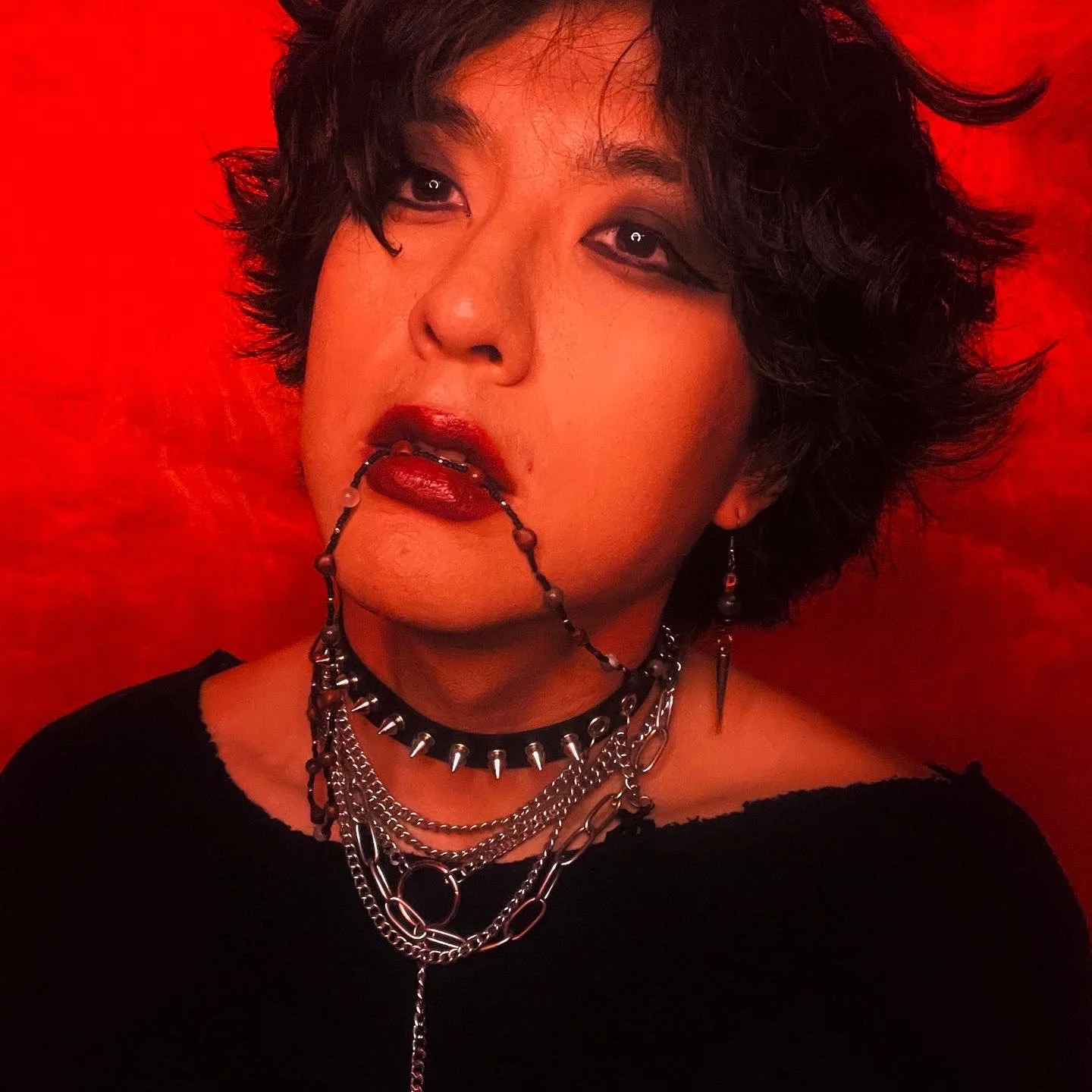
Zakota Shade
Courtesy, Zakota Shade
In recent years, people have finally begun to recognize and even celebrate the vast diversity among Indigenous people, including skin color, culture, and upbringing. Despite the greater amount of acceptance we’re seeing, there is still stigmatization and bullying from within the community itself towards those who don’t fit into the self-prescribed role of what an Indigenous person “should” look like. It’s artists like Zakota Shade (Navajo), a punk rock musician, whose style and work speak to natives who feel as if they’re alone for not fitting into the status quo, and who show them that they too can be unafraid of who they are.
When I first discovered their Instagram accounts, there was an almost instant sense of awe and of finally feeling understood and seen. As someone who grew up listening to Pierce The Veil and staying up until 1 AM watching Ergo Proxy, it was easy to feel isolated and out of place in the Indigenous community. After scrolling through Zakota Shade’s page, and watching their cover of “What’s Up People” from Death Note, I almost couldn’t believe I was seeing another native person expressing themselves in that way. I couldn’t help but want to learn and know more about how they came to be the musician they are today.
In all their life, Zakota could never see themselves pursuing anything but music. Their passion for the medium seemed innate in them, unsure of what the origin was: “That’s like asking a frog why it’s green, you know? There are moments that if you start looking back, it starts to make sense why it would fall into place. I remember hearing Metallica, the song ‘Fuel’ when I was like three years old. I remember hearing that song and it just made sense, it felt like a bird learning to fly.”
After Zakota’s grandfather took notice of their interest in music, they began teaching Zakota the basics of how to play the guitar, eventually passing on the instrument to them along with the encouragement to keep pursuing their passion. Zakota would teach themselves to play, having fun with the instrument and replicating sounds they heard in songs, picking up more and more over time. Throughout the following years, they would learn how to play other instruments, including the piano, drums, and bass, further expanding their skill set. It wasn’t until after high school that Zakota started to train their voice and think about how they could make a career out of their music.
In 2017, they began to put more effort into writing songs and developing their own music, recording some of them and releasing four mini-albums in 2020. After that, Zakota started to find ways to accrue a following, beginning with covering songs on their drum set. Scarlett Night, their solo band, started shaping together when they learned more about editing videos and splicing together clips of them playing each part of a song, eventually becoming what it is today.
Through the help of a family member, Zakota eventually got involved with NativeGuitarsTour, first participating in their online open mic sessions and honing in on their notable performance skills. “You gotta get noticed before they can hear you. I would always try to just do the complete opposite of whatever anyone else was doing.” Scarlett Night is immediately recognizable for its distinctive alternative/punk look that surely speaks to the hearts of natives who’ve yearned for that representation for years. Seeing another artist proudly show off their style helps to heal the wounds of comments or remarks that stick with people, just because of the way they dress or what music they listen to. It also speaks to what Scarlet Night, and what Zakota themselves, is ultimately setting out to do.
“With it being an Indigenous community, it’s cool that everyone’s being proud of who they are, where they come from, but I always wanted to do things differently…The whole name ‘Scarlet Night’, has several meanings, but the main idea is ‘what is a scarlet night’? That’s a lunar eclipse when the moon turns red. In my culture, eclipses are taboo, we can’t look at them, the hardcore traditional way is; when there’s a lunar eclipse at night, you’re not even supposed to sleep. I respect that, I respect those beliefs…the whole idea of Scarlet Night is to be proud of who you are as an Indigenous person but to look forward.”
You can learn more about Zakota Shade and Scarlet Night on Instagram, YouTube, Twitter, Facebook, and Tiktok.