
Kymon Greyhorse: Rising Indigenous Filmmaker
Courtesy photo by Kymon Greyhorse
By, Savignon Swimmer
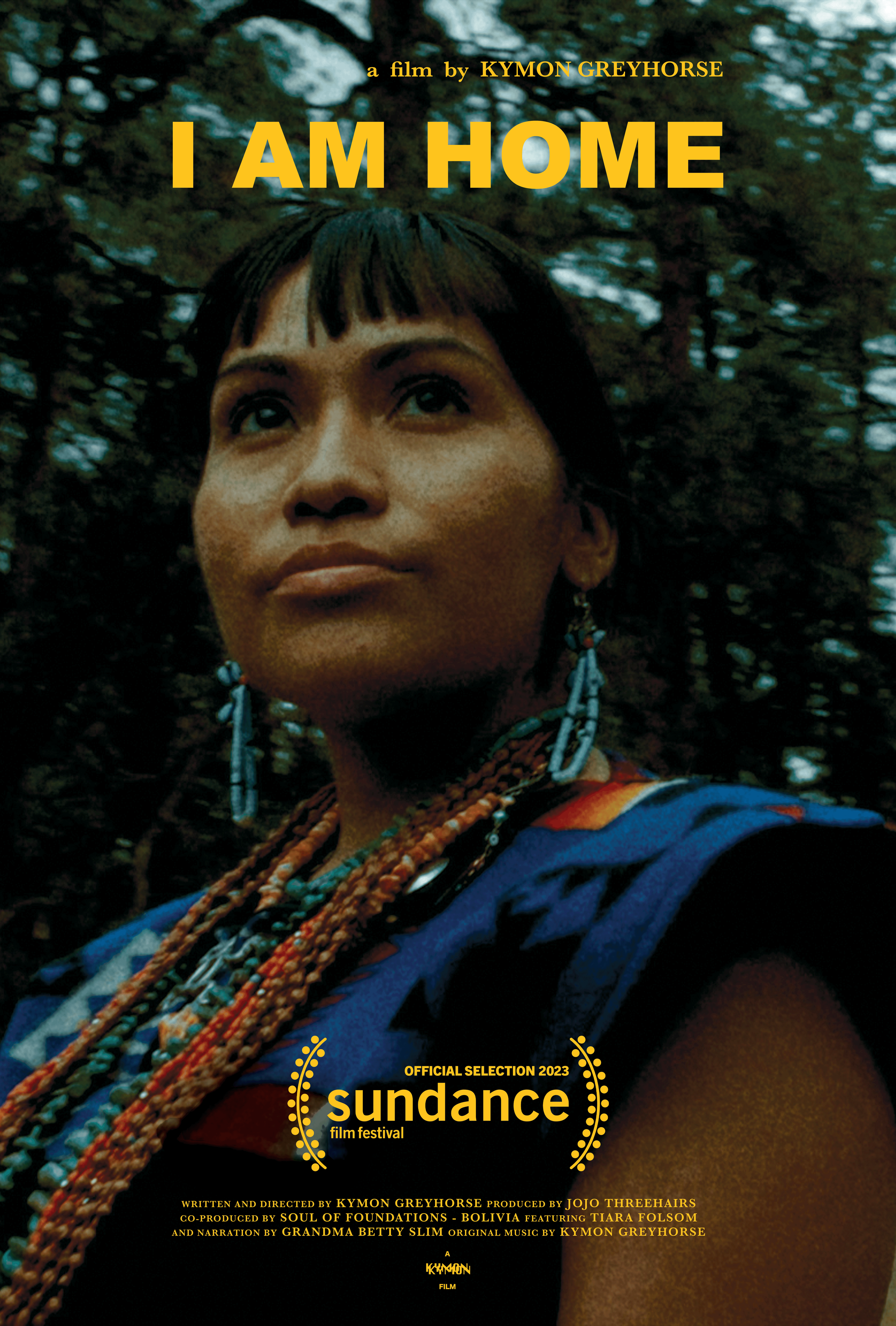
One could argue that we’re in the beginning stages of an Indigenous revolution in the media. While proper representation still has a long way to go, we’re now seeing more than ever native storytellers sharing narratives close to the community using mediums from short films to Marvel blockbusters. One of these filmmakers is Kymon Greyhorse (Navajo & Tongan), whose short film “I Am Home” was most recently shown at the Sundance Film Festival earlier this year.
Kymon first became interested in film at a young age, gravitating towards movies in the horror or thriller genres, serving as an early inspiration for films they made around the house. Their first big step into the industry after graduation was applying for the Sundance Native Filmmakers lab, which they were eventually accepted into. There, they spent two weeks in Sante Fe among other Indigenous filmmakers, learning more about the industry and receiving resources to produce their own projects. “I felt so appreciated and validated in a space of vulnerability. I was surrounded by all these native filmmakers and got to witness their talents and skills.”
The stories they tell through film often come from personal experiences, or the experiences of their family members, often touching on issues relatable to the larger Indigenous community. Kymon is especially passionate about normalizing native stories and using their work to build a platform to give others the chance to have their voices heard. One of their recent projects, “Can I Love You” tells the story of a Navajo woman faced with the decision of whether or not to attend college and step away from her role as a mother figure in her family.
Kymon remarked on their pleasant experience at the Sundance Film Festival this past January, and how they were able to connect with other native filmmakers presenting their work there. When reflecting on the state of Indigenous involvement in the media, Kymon said: “The impact of Indigenous cinema and media is barely starting. We are in a time where there is agency and freedom in storytelling where there wasn’t before. To see things transform and shift for us forward is beautiful. In five years, I hope to see an industry filled with natives in writer rooms, in front of the cameras, and behind the cameras. I think it’s our time.”
When it comes to each film they’ve worked on, Kymon finds that they’re able to enjoy each step of the process, especially in seeing the finished product and being able to share that with their team. Collaborating with others and being able to see how the story resonates with team members is something that they value as well. As a director, Kymon works to foster a healthy and welcoming environment on set, but also strives to set an example of how to stay true to oneself. “I watched my mom a lot as a kid, and she worked in a male-dominated field. I heard the way she spoke on the phone, the way she voiced her needs and wants with fierceness and respect, and she was a boss...When I’m on set, I make sure to curate an environment of love, trust, and respect and it’s a smooth ride from there once you establish those relationships with people.”
With as many talented native filmmakers working today, we’re seeing just as many vast and unique stories being told, bending and transcending genres in ways that one can’t help but be excited for what comes next. This is especially true in scenarios where POC filmmakers in general might feel trapped or pushed only to tell certain kinds of narratives. “I want to get to the point where I can just make films for the fun of it. Not just to reach a diversity checkmark or to please people. I want to work towards a world where we don’t have to be exhausted by constantly reminding people that we exist. Whether I’m doing a film that’s Indigenous-centric or not, because I am Navajo, two-spirit, my work will always shine through that perspective.”
Kymon is just as excited for the future of Indigenous involvement in the media and what astounding work their peers will undoubtedly contribute to the industry. They left us with a piece of advice they wanted to share with fellow burgeoning filmmakers: “If you’re scared of it, it’s something that you need to dive deeper into. Be consistent and know your worth, and know that your voice matters just as much as the person next to you.”
You can learn more about and follow Kymon on Instagram at @kymongreyhorse.